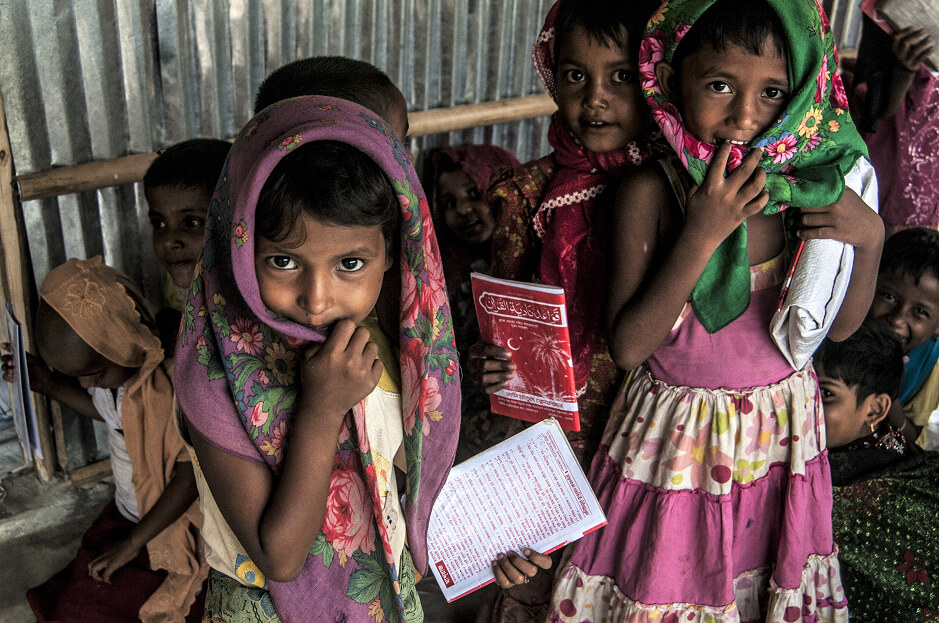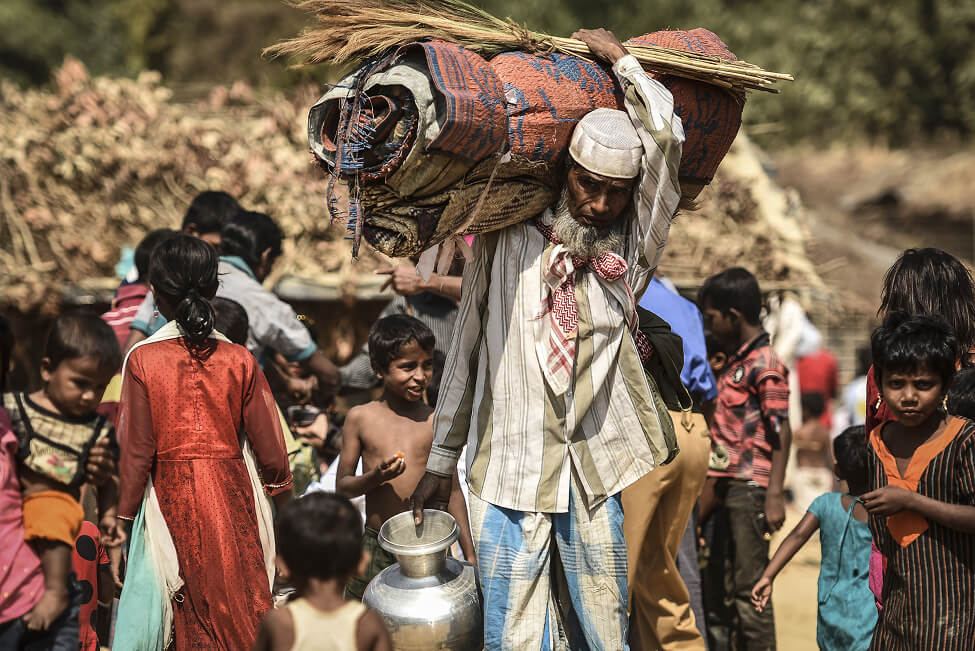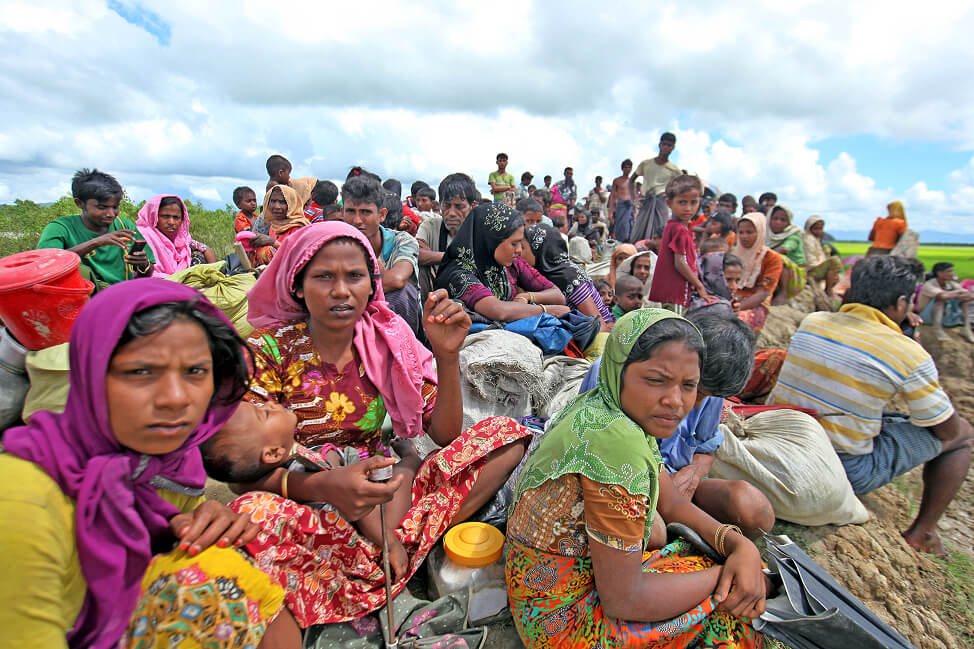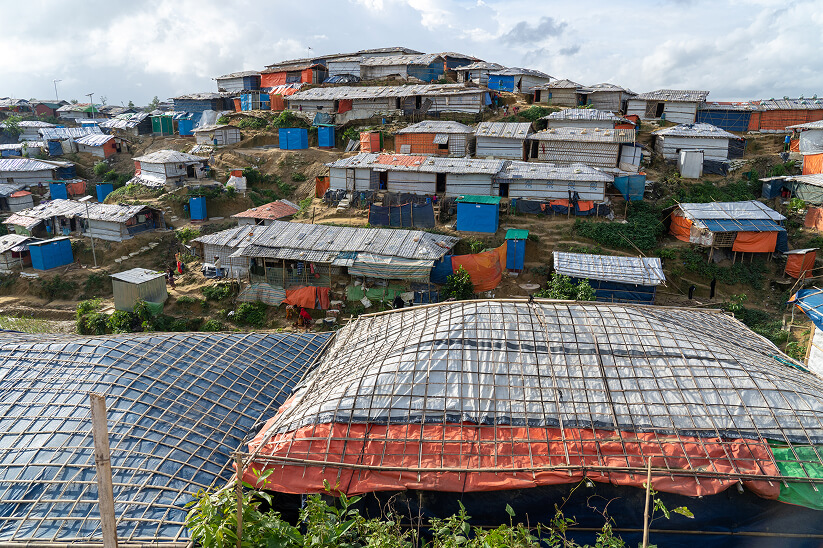


The World Bank’s Rohingya Response Analytical Program (RRAP) aims to contribute to the evidence base that underpins policymaking to support the Rohingya population displaced from Myanmar residing in the Cox’s Bazar District and the host communities. A key component of RRAP is monitoring the well-being of the displaced Rohingya population and host communities by implementing new data collection.
In mid-2025, a face-to-face survey was conducted in the camps and host communities. The contact numbers recorded from respondents would be used for a subsequent phone panel survey in 2025 and 2026. The Cox’s Bazar Panel Survey (CBPS) aims to produce comprehensive panel data on social, economic, and health outcomes from a representative sample of recently arrived refugees, previously arrived refugees and native hosts in Cox’s Bazar District and parts of Bandarban District in the context of the mass influx of Rohingya refugees, pushing their number in the area up to nearly 1 million.
The survey collects data on a range of topics, including housing characteristics, food security, consumption, household income, labor, sources of assistance, assets, anthropometrics for children, migration history, and access to health services. Specifically, the CBPS seeks to: (i) Build an evidence base on the medium- and long-term impact of the Rohingya Refugee Crisis on the economic and social lives of refugees and hosts; (ii) identify targets for policy and programming intervention; and (iii) evaluate the impact of small- and large-scale interventions aimed at improving the economic and social lives of refugees within the camps as well as of natives.
Parstats was responsible for reviewing the survey sample design and constructing the sampling weights for the face-to-face survey and two subsequent phone panel waves, adjusting for first-time nonresponse and cross-wave attrition to reduce the resulting bias in the survey indicators.